


What is Fluoride?
Fluoride is a naturally occurring mineral found in water.

What are its benefits?
Your body needs fluoride to keep your bones strong and to help prevent tooth decay. The appropriate amount of daily fluoride intake varies with age and body weight. On average, men should have approximately 4 milligrams of the mineral each day, while women need approximately 3 milligrams.
As with other nutrients, fluoride is safe and effective when used and consumed properly.
For dental health:
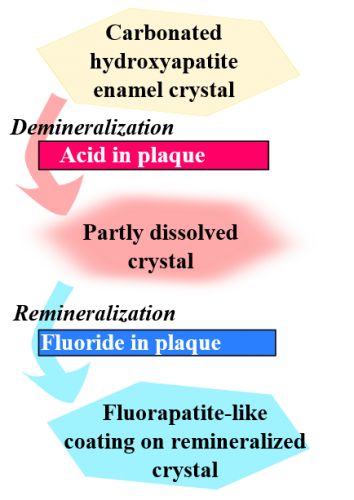
“Fluoride makes the entire tooth structure more resistant to decay and promotes remineralization, which aids in repairing early decay before damage is even visible,” explains Academy of General Dentistry spokesperson, Charles H. Perle, DMD, FAGD. “Studies have confirmed [that] the most effective source of fluoride is water fluoridation.”
https://www.dentalhealth.org/tell-me-about/topic/sundry/fluoride
Do they add fluoride to the water in the UK?
Fluoride concentration in our water supply varies, depending on where in the UK you live. The addition of fluoride to drinking water is a public health measure intended to prevent tooth decay.
Parts of the country with fluoridation schemes include Cumbria, Cheshire, Tyneside and Northumbria. Just over 6.1 million people in the UK receive water with a fluoride content, whether naturally occurring or added. Fluoride is added in about 10% of water supplies in England, which means that about 10% of the total population is supplied with optimally fluoridated water.
South West Water website FAQs response states:
Q: Is fluoride added to drinking water?
A: No, we don’t add fluoride to drinking water in our area. All of our water supplies have a naturally occurring low level of fluoride which is typically below 0.1 milligrams per litre.
We don’t have any plans to add fluoride to drinking water but if the Strategic Health Authority for our area decides that we should add fluoride, we would have a legal requirement to do so.
Your dentist can recommend ways for you to get more fluoride and there’s also more information on NHS Choices
https://www.nhs.uk/conditions/Fluoride/
When considering water fluoridation, an individual must consume one litre of water fluoridated at 1 part per million (1 ppm) to receive 1 milligram (1 mg) of fluoride.
Where else can we get Fluoride?
If the Fluoride concentration is insufficient in our water supply, we need to source it elsewhere.
Most people easily meet their daily fluoride requirement by drinking fluoridated water, consuming foods and beverages that have been prepared with fluoridated water and using dental products like toothpaste or mouthwash that contain added fluoride, though some foods also naturally contain small concentrations.
Fluoride is generally added to most brands of toothpaste, but check the labelling.
Foods rich in Fluoride include tea; seafood, especially canned seafood such as sardines which contain bones and meat cooked on the bone.
However, most bottled waters contain less fluoride than recommended for good oral health (it will be listed as an ingredient on the label if it is an additive).

Fluoride dental treatments and our role in preventing tooth decay.
At St. Paul’s Dental Practice preventing tooth decay is of paramount importance and a big part of our ongoing commitment to ‘Delivering better oral health’.
We individually assess every person attending and score them against the risk of developing dental decay. Where necessary we undertake the following additional dental treatments.
Fluoride mouth rinses.
Fluoride mouth rinses can be prescribed for adults and children aged eight and above who have tooth decay. They should be used every day, in addition to brushing twice daily with toothpaste containing at least 1350ppm fluoride.
Rinses should be used at different times to brushing to avoid washing the toothpaste off your teeth, as this reduces the beneficial effects of the fluoride in the toothpaste.
High Fluoride concentration toothpaste can also be prescribed.

Fluoride varnish application.
Fluoride varnish can be applied to both baby teeth and adult teeth by a Dentist, Dental Therapist or trained Dental Care Professional. The process involves painting a varnish containing high levels of fluoride onto the surface of at risk teeth every six months to prevent decay. It works by strengthening tooth enamel, making it more resistant to decay.
From the age of three, children should be offered fluoride varnish treatment at least twice a year and Fluoride varnish should be offered two or more times a year for children of all ages with tooth decay or those at high risk of developing it.