

When it comes to your overall health and well-being, few things are considered as important as maintaining good oral hygiene.
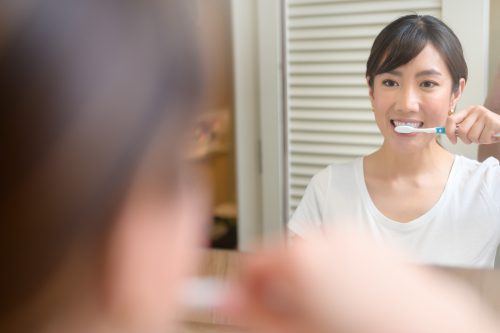
Photo courtesy of freerangestock.com/photographer/Candace-McDaniel
Your oral health is not just about having a dazzling smile; it’s also crucial for your overall health. Poor oral hygiene can lead to a host of dental problems and even impact your overall health in surprising ways. In this comprehensive guide, we will explore the essential aspects of oral hygiene and provide you with tips and tricks to keep your smile radiant and your teeth and gums healthy. https://www.dentalhealth.org/caring-for-my-teeth
Why is Oral Hygiene So Important?
Before we dive into the practical tips, let’s understand why oral hygiene matters. Your mouth is a gateway to your body, and its health can influence your overall well-being. Poor oral hygiene can lead to several problems, including:
1. Tooth Decay: Neglecting your oral health can result in cavities, causing pain and discomfort.
2. Gum Disease: Gingivitis and Periodontitis can develop due to plaque buildup, potentially leading to tooth loss.
3. Bad Breath: Neglected oral hygiene can result in chronic bad breath, affecting your confidence and social interactions. https://www.stpaulsdentalpractice.co.uk/fresh-breath-devon.html
4. Heart Disease: Surprisingly, gum disease has been linked to an increased risk of heart disease and other systemic conditions.
5. Diabetes: There is evidence that poorly managed oral health can exacerbate diabetes symptoms.
6. Respiratory Problems: Oral bacteria can be inhaled into the lungs, causing respiratory infections or exacerbating pre-existing lung disease .
Now that we understand the importance of oral hygiene let’s delve into the steps you can take to maintain a healthy smile.
- Brushing Your Teeth
The cornerstone of any oral hygiene routine is regular and proper brushing. Here’s how to do it right:
- Use the Right Toothbrush: Choose a medium-bristle toothbrush, however electric toothbrushes offer the most effective cleaning and plaque removal.
- Brush Twice a Day: Brush your teeth at least twice a day, ideally in the morning and before bed.
- Proper Technique: Hold your toothbrush at a 45-degree angle to your gums and use gentle, circular motions. Brush for at least two minutes.
- Don’t Forget Your Tongue: Gently brush your tongue to remove bacteria that can cause bad breath.
- Flossing Daily
Brushing alone can’t reach all the nooks and crannies between your teeth. That’s where dental floss and interdental brushes come in:
- Use Floss and/or Interdental Brushes Daily: Make cleaning between your teeth a daily habit, preferably before bedtime.
- Use Proper Technique: Flossing Quick Guide
- Because you’ll be putting your fingers into your mouth, be sure to wash your hands before you reach for the floss.
- Use enough floss.
- Gently slide the floss between your teeth and curve it around each tooth in a “C” shape.
- Don’t forget the back of your last molars.
https://www.oralb.co.uk/en-gb/oral-health/why-oral-b/why-floss/how-to-use-dental-floss
Interdental Brushing Quick Guide
- Select a brush appropriate to the gap(s) that you are cleaning.
- Very gently insert the brush into the gap(s), but don’t push. If you meet resistance then change the angle of the brush; or it could be that you need to use a smaller brush.
- Slowly and gently move the brush back and forth and against the side of each tooth to dislodge and remove any debris or build-up of plaque.
- Develop a pattern using the different sized brushes to work around your mouth, ensuring that you clean between all the gaps.
- Always apply the same hygiene rules to your interdental brushes as you do to your toothbrush. Rinse them thoroughly after use.
https://www.tepe.com/global/tips–advice/everyday-oral-care/how-to-use-interdental-brushes/
- Rinse with Mouthwash
Mouthwash can help reduce plaque, fight bacteria, and freshen your breath.
- Healthy Diet Choices
What you eat affects your oral health:
- Limit Sugary Foods and Drinks: Sugar feeds harmful bacteria in your mouth, leading to decay. Reduce your consumption of sugary items.
- Eat Tooth-Friendly Foods: Incorporate foods rich in calcium, like dairy products, leafy greens, and almonds.
- Stay Hydrated: Water helps wash away food particles and bacteria. Drink plenty of it throughout the day.
https://www.stpaulsdentalpractice.co.uk/healthy-diet-devon.html
- Regular Dental Check-ups
Even if you follow an impeccable oral hygiene routine, it’s essential to visit your Dentist and Hygienist regularly for check-ups and professional cleanings. Your Dentist can catch issues early and provide guidance on your oral health.
https://www.stpaulsdentalpractice.co.uk/dental-hygiene-devon.html
- Avoid Harmful Habits
Certain habits can harm your oral health:
- Smoking: Smoking increases the risk of gum disease and oral cancer. Seek help to quit if you smoke.
- Chewing Tobacco: Like smoking, this habit is harmful to your oral health and can lead to oral cancer.
- Nail Biting: This can chip teeth and damage your gums.
- Protect Your Teeth
If you play sports or grind your teeth at night, consider using a mouthguard to protect your teeth from injury or damage.
https://www.stpaulsdentalpractice.co.uk/mouth-guards-devon.html
Conclusion: Good oral hygiene is your Smile’s best friend.
Your smile is a valuable asset, and taking care of your oral health is a lifelong commitment. By following these essential steps and maintaining a regular dental check-up schedule, you can enjoy a radiant smile and excellent overall health. Remember, good oral hygiene is not just about looking good; it’s about feeling good too. So, keep brushing, flossing, and smiling—it’s the key to a happy and healthy life. https://www.stpaulsdentalpractice.co.uk/index.html